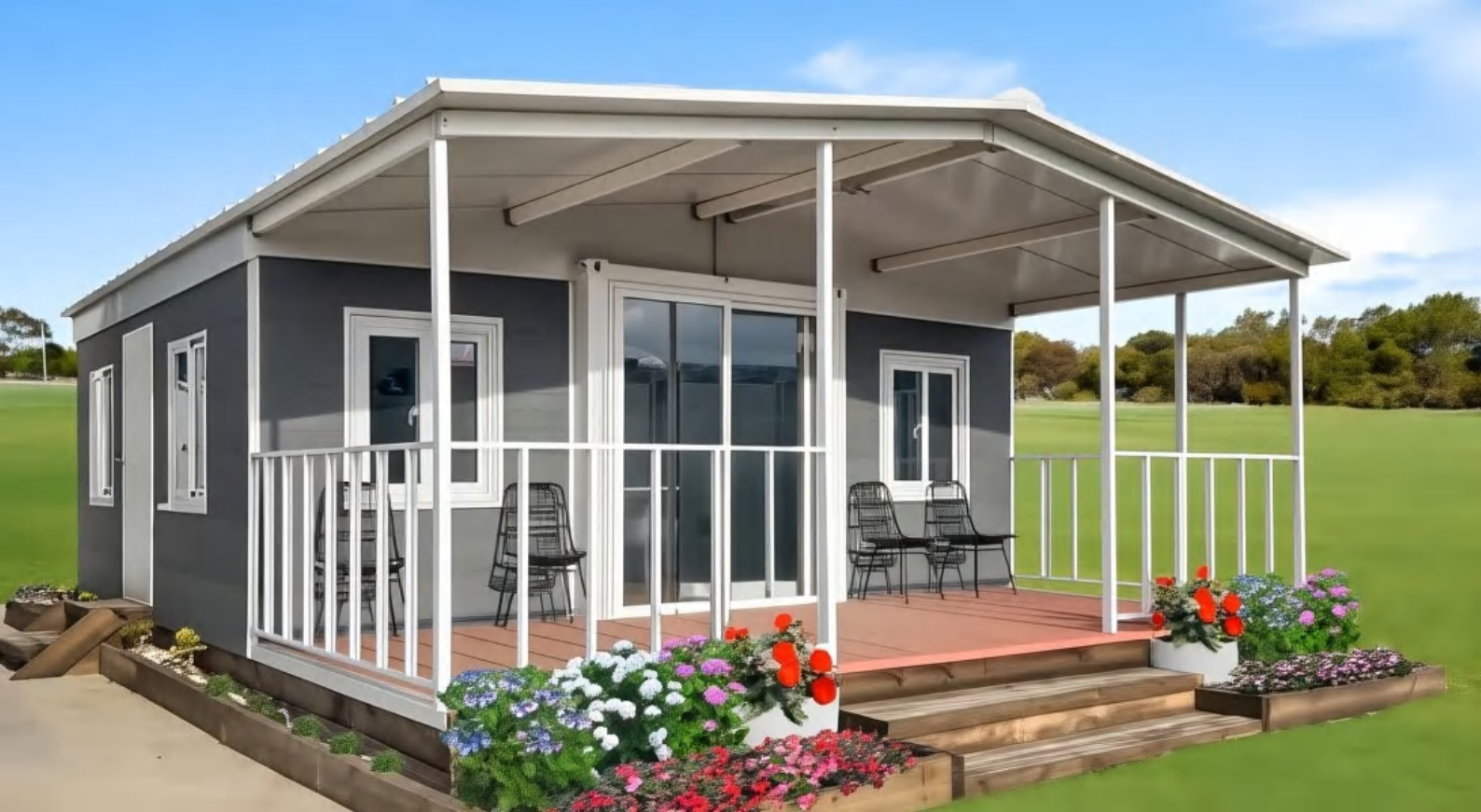
Alabama regulates the modular unit through the Manufactured Housing Commission, ADUs are city-by-city (Huntsville and Birmingham are opening up), and the Gulf Coast is all about wind and flood. Here's the real 2026 path.
Alabama searches come from Huntsville (booming aerospace/defense), Birmingham, and the Gulf Coast (Mobile, Baldwin). Alabama runs the modular program through the Manufactured Housing Commission, ADUs are opening up city-by-city, and on the coast it's all about wind and flood.
The short version: AMHC approves the building; ADUs depend on your city (Huntsville and Birmingham are moving); and the Gulf Coast is a wind-and-flood problem.
The building: Alabama Manufactured Housing Commission
- AMHC enforces the modular construction standards; plans comply with the 2021 IBC (effective April 1, 2023).
- Modular installers must be AMHC-certified.
- Your local jurisdiction permits the site work — foundation, utilities, zoning.
ADUs: city-by-city
- Huntsville (June 2024) — ADUs in R-1/R-1A/R-1B; detached typically ≤800 sq ft; no owner-occupancy.
- Birmingham — ADUs up to 1,200 sq ft or 50%, not yet in all districts; clearer ordinance in progress.
- No statewide mandate — confirm locally.
The site: Gulf wind/flood, inland heat
- Gulf Coast (Mobile, Baldwin). Hurricane wind + FEMA flood elevation (pilings).
- Inland. Tornado/high wind, summer heat; effectively no snow.
- Seismic. Generally low.
The spec is set from your site at order time.
Realistic timeline
- Factory (AMHC track): plan approval + factory build, in parallel with site work.
- Local: a site/building permit for foundation, elevation, and utilities, plus the city's ADU rules.
- Set + finish: foundation (pilings on the coast), set, tie-ins, final inspection.
With the structure built off-site, a turnkey Alabama project can reach handover in roughly four months.
Find your situation
Huntsville ADU. Now allowed in R-1 districts — strong growth market; the approved unit moves fast.
Birmingham ADU. Allowed up to 1,200 sq ft where districts permit; confirm your zone.
Gulf Coast rental. Engineer for coastal wind and flood elevation.
Workforce / hospitality. Multi-unit production runs in parallel with site work, all to the 2021 IBC.
How PSL Modular fits
We build to the Alabama-adopted codes, work through AMHC approval and certified installers, and hand your jurisdiction a unit it accepts without structural re-review. Gulf-Coast wind and flood elevation, plus heat-tuned inland envelopes, are engineered to your site; UL-listed electrical, ASTM E84 Class A cladding, and pile/helical foundations included. Turnkey from quote to handover in roughly four months.
Next step: tell us your city and site (coast or inland), and we'll map the ADU rules and envelope spec, and send a real quote.
Sources
- Alabama Manufactured Housing Commission — modular (manufactured building) program (amhc.alabama.gov)
- City of Huntsville (Section 73.5, June 2024) and City of Birmingham — ADU rules
- FEMA coastal flood maps (Mobile/Baldwin)
This guide is general information, current as of 2026, not legal advice. Confirm specifics with your jurisdiction and the Alabama Manufactured Housing Commission.
[ ALABAMA STATE COVERAGE ]
Building in Alabama? See your one-page coverage summary.
The verdict, building-approval path, ADU law, and structural spec for Alabama — at a glance — with a link to a parcel-specific quote.
Frequently Asked Questions
Who regulates modular buildings in Alabama?
The Alabama Manufactured Housing Commission (AMHC) serves as the state agency enforcing the manufactured building (modular) program construction standards. Modular plan submittals must comply with the 2021 IBC (effective April 1, 2023), and modular installers must complete an AMHC course and certification. With the program's approval, your local jurisdiction permits the site work — foundation, utilities, zoning.
Can I build an ADU in Alabama?
It depends on your city — there's no statewide law. Huntsville amended its zoning in June 2024 to allow ADUs in R-1, R-1A, and R-1B districts (detached units typically up to 800 sq ft, with no owner-occupancy requirement). Birmingham permits ADUs up to 1,200 sq ft or 50% of the main home, though not yet in all residential districts, and is working on a clearer ordinance. Confirm your specific city/county.
What changes for a Gulf-Coast Alabama project?
Wind and flood. Mobile and Baldwin counties carry high coastal design wind speeds, and FEMA flood zones require elevating to base flood (typically pilings). These are factory-order decisions — the unit must be engineered to the coastal wind and elevated, or it won't be insurable. PSL Modular configures both for coastal Alabama.
What about inland Alabama?
Inland (Birmingham, Huntsville, Montgomery) the drivers are tornado/high wind and summer heat — a robust structure and an efficient thermal envelope. There's effectively no snow. Seismic is generally low. PSL Modular sets the envelope from your site.
Is modular good for Huntsville's growth or the coast?
Yes on both. Huntsville's aerospace/defense boom drives strong housing and ADU demand (and its 2024 zoning change helps), while the Gulf Coast is a rental market that rewards fast, coastal-rated construction. The AMHC-approved unit clears the building; your work is local zoning and (on the coast) wind/flood.