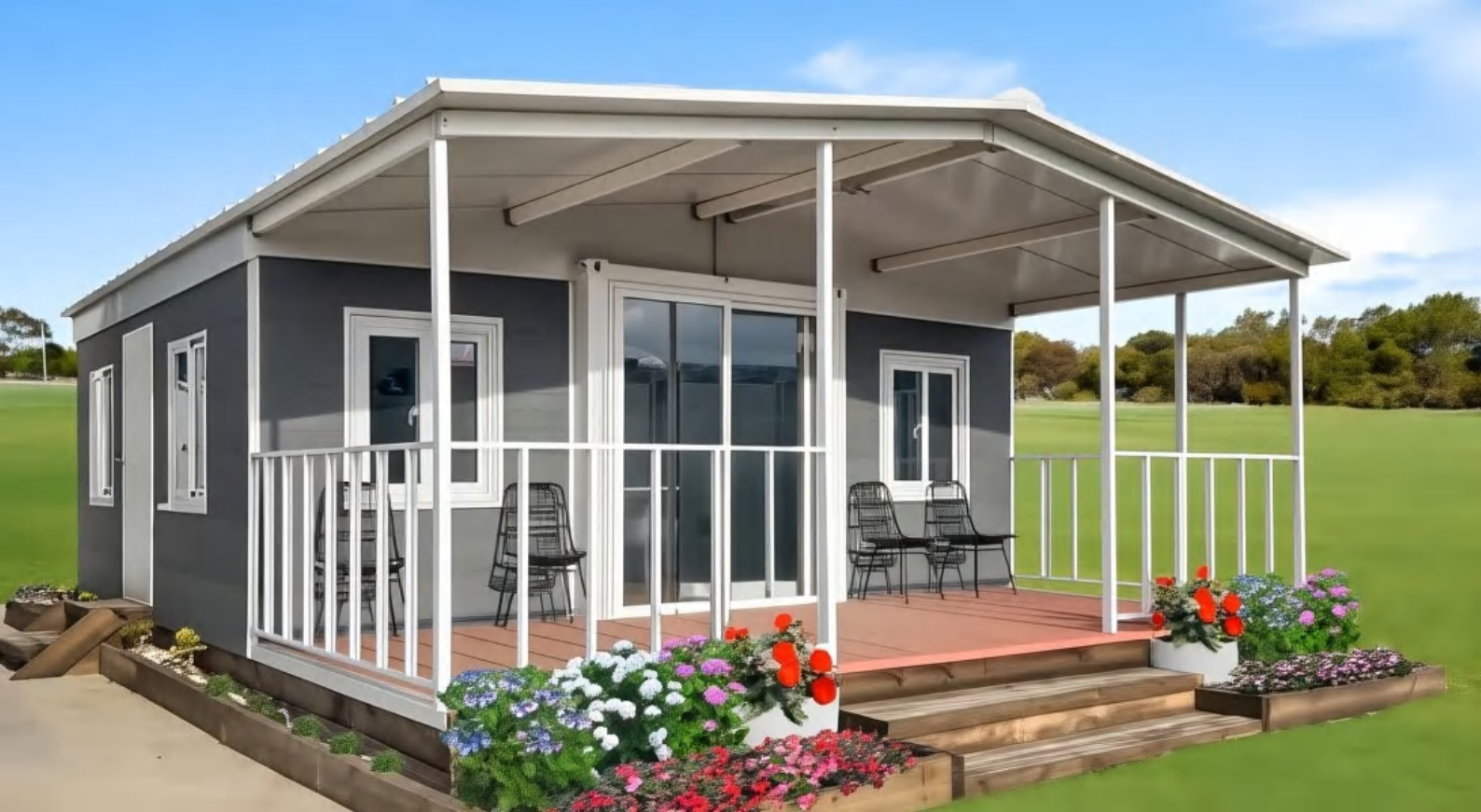
Hawaii's 2024-25 laws now require all four counties to allow multiple ADUs/ohana units per lot — a huge shift for the islands' housing crunch. The building runs through county codes, and shipping is the real cost driver. Here's the 2026 path.
Hawaii searches are overwhelmingly about ohana units — multigenerational and rental ADUs — across Oahu, Hawaii Island, Maui, and Kauai. The big news: 2024-25 laws now require all four counties to allow multiple ADUs per lot, a major shift for the islands' housing crunch. The building runs through county codes, and shipping plus the island environment are the real planning factors.
The short version: every county must now allow at least two ADUs per lot (owner-occupancy dropped statewide); modular is built to county code; and your plan centers on shipping and an island-grade envelope.
The ADU change: SB 3202, Act 232, and county bills
- SB 3202 (2024) — all four counties must allow at least two ADUs per residential lot.
- Act 232 (2023) — Honolulu must permit ADUs (ohana) by right on single-family lots, ministerial approval; owner-occupancy eliminated statewide.
- Honolulu Ordinance 25-2 (effective Sept 30, 2025) — expands options (even some sub-3,500 sq ft lots get a 500 sq ft ADU); waives some impact fees from July 1, 2025.
- Hawaii County Bill 123 — up to three ohana units/ADUs on a qualifying lot.
The building: county codes
- Each of the four counties administers its own building code.
- A modular home (75%+ off-site) is built to the county code and set on a permanent foundation by licensed local contractors.
- Your county permits the installation and site work.
The realities: shipping + island envelope
- Shipping. Materials/units arrive by ocean freight — a major cost and schedule factor; in-state factory programs help.
- Wind. Hurricane exposure — high design wind speeds.
- Salt + humidity. Corrosion-resistant detailing.
- Seismic + flood/tsunami + lava zones. Especially the Big Island — engineer accordingly.
The spec is set from your site at order time.
Realistic timeline
- Factory: build to county code, in parallel with site prep.
- Transport: ocean freight + local set — planned into the scope.
- Local: county building permit for foundation, utilities, and the ohana/ADU approval (now ministerial in Honolulu).
- Set + finish: foundation, set, tie-ins, final inspection.
Modular delivers a finished unit faster than site-built in Hawaii's high-cost labor market; plan handover around shipping windows.
Find your situation
Oahu ohana / ADU. By-right and ministerial under Act 232; Ordinance 25-2 expands options and waives some fees — strong for multigenerational or rental.
Hawaii Island. Bill 123 allows up to three ADUs; engineer for seismic and (in lava zones) siting.
Maui / Kauai. Two-ADU minimum under SB 3202; confirm county specifics.
Workforce / resort. Multi-unit modular for high-cost labor markets; plan shipping.
How PSL Modular fits
We build to the applicable Hawaii county code, engineer an island-grade envelope (hurricane wind, corrosion-resistant detailing, seismic), and plan ocean-freight logistics and set. UL-listed electrical, ASTM E84 Class A cladding, and appropriate foundations included. A finished, code-compliant unit — faster than site-built in Hawaii's labor market.
Next step: tell us your island and lot, and we'll map the county ADU rules (two-ADU minimum, ministerial approval), spec the envelope, plan shipping, and send a real quote.
Sources
- Hawaii SB 3202 (2024); Act 232 (2023); City & County of Honolulu Ordinance 25-2 (2025); Hawaii County Bill 123
- County building codes (Honolulu, Hawaii, Maui, Kauai); HPM HalePlus factory-built program (County of Hawaii)
This guide is general information, current as of 2026, not legal advice. Confirm specifics with your county building department.
[ HAWAII STATE COVERAGE ]
Building in Hawaii? See your one-page coverage summary.
The verdict, building-approval path, ADU law, and structural spec for Hawaii — at a glance — with a link to a parcel-specific quote.
Frequently Asked Questions
How many ohana units / ADUs can I build in Hawaii now?
More than before. SB 3202 (2024) requires all four counties to allow at least two ADUs per residential lot. In Honolulu, Act 232 (2023) requires the city to permit ADUs ('ohana dwelling units') by right on single-family lots with ministerial approval, and Ordinance 25-2 (effective September 30, 2025) further expands options — even some sub-3,500 sq ft lots can add a 500 sq ft ADU. Hawaii County's Bill 123 allows up to three ohana units/ADUs on a qualifying lot. Owner-occupancy requirements were eliminated statewide. Confirm your county's current rules.
Who handles the building code in Hawaii?
Each of the four counties (Honolulu, Hawaii, Maui, Kauai) administers its own building code. A modular home — defined as a dwelling 75% or more constructed off-site — is built to the applicable county code and assembled on a permanent foundation by licensed local contractors (in-state programs like HPM's HalePlus build to County of Hawaii codes). Your county permits the installation and site work.
What makes building in Hawaii different?
Two things dominate. First, logistics — most materials and many modular units come from the mainland by ocean freight, so shipping is a significant cost and schedule factor; in-state factory programs help. Second, the environment — high wind (hurricane exposure), salt air and humidity (corrosion-resistant detailing), seismic activity (especially the Big Island), and flood/tsunami and lava-zone considerations all shape the design. PSL Modular engineers the envelope and plans the logistics.
Were owner-occupancy rules really dropped?
Yes — owner-occupancy requirements for ADUs were eliminated statewide, which (along with the two-ADU minimum under SB 3202) makes ohana units a much stronger option for both multigenerational living and rental income. Each county still sets size, setback, and infrastructure standards, so confirm locally.
Is modular a good fit for Hawaii's housing crunch?
Yes — Hawaii has some of the highest housing costs in the country and a deep cultural tradition of ohana (multigenerational) units, and the 2024-25 laws opened the door wide. Modular delivers a finished, code-compliant unit faster than site-built in a high-cost labor market. The main planning items are shipping and the island-specific envelope.