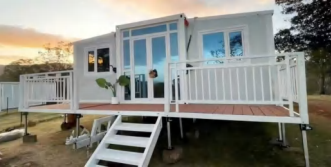
Kansas has no statewide building code, so the modular unit is certified to a national code and your local jurisdiction enforces it — and ADUs are city-by-city, with Lawrence among the friendliest. Tornado wind drives the engineering. Here's the real 2026 path.
Kansas searches come from Wichita, the Kansas City metro, Lawrence, and Topeka homeowners and from rural and workforce projects. Kansas is distinctive: no statewide building code, so the unit is certified to a national code and enforced locally. ADUs are city-by-city, and tornado wind drives the engineering.
The short version: the modular unit is nationally certified and locally enforced; ADUs depend on your city (Lawrence is friendly); and you engineer for Tornado Alley wind.
The building: nationally certified, locally enforced
- Kansas has no statewide building code; a modular home is certified to a nationally recognized code (IRC/IBC) by the manufacturer.
- In cities, the local building department accepts the certified unit and permits site work; rural enforcement is lighter.
- Confirm what applies at your site.
ADUs: city-by-city
- Lawrence — internal/attached/detached ADUs by right in multiple districts, with use-specific standards.
- Wichita — defines where/which ADU types by zone.
- Johnson County — administrative review.
- Typical caps ~900-1,000 sq ft; sometimes owner-occupancy. No statewide mandate.
The site: tornado wind
- Wind. Tornado Alley — design to the wind speeds; many add a FEMA P-361 / ICC 500 safe room.
- Heat + some snow. Efficient envelope; seismic low.
The spec is set from your site at order time.
Realistic timeline
- Factory: build + national-code certification, in parallel with site work.
- Local: a site/building permit for foundation and utilities (in zoned/enforced areas), plus the city's ADU rules.
- Set + finish: foundation, set, tie-ins (and a storm shelter if specified), final inspection.
With the structure built off-site, a turnkey Kansas project can reach handover in roughly four months.
Find your situation
Lawrence ADU. By right in multiple districts — the friendliest in the state; the certified unit moves fast.
Wichita / Johnson County ADU. Confirm the zone/administrative-review rules.
Tornado-conscious build. Engineer to wind speeds and add a safe room if desired.
Rural / workforce. Multi-unit modular for ag-region and metro demand.
How PSL Modular fits
We build to a nationally recognized code (IRC/IBC) certified for Kansas, and hand your local jurisdiction a unit ready for site approval. Tornado-rated wind design and optional safe rooms are engineered to your site; UL-listed electrical, ASTM E84 Class A cladding, and helical-pile foundations included. Turnkey from quote to handover in roughly four months.
Next step: tell us your city/county and site, and we'll confirm enforcement and ADU rules, spec the wind design, and send a real quote.
Sources
- Kansas Statutes (modular home definition — manufacturer certification to a nationally recognized code); Kansas Department of Revenue (manufactured housing)
- City of Lawrence Land Development Code; City of Wichita and Johnson County ADU rules
- FEMA P-361 / ICC 500 (safe rooms)
This guide is general information, current as of 2026, not legal advice. Confirm specifics with your city/county building and zoning offices.
[ KANSAS STATE COVERAGE ]
Building in Kansas? See your one-page coverage summary.
The verdict, building-approval path, ADU law, and structural spec for Kansas — at a glance — with a link to a parcel-specific quote.
Frequently Asked Questions
How are modular buildings regulated in Kansas?
Kansas does not have a statewide building code, so a modular home is certified by its manufacturer as constructed to a nationally recognized building code (such as the International Residential Code). Your local jurisdiction handles enforcement of installation and site requirements — in cities, the building department accepts the certified unit and permits the foundation, utilities, and zoning; in many rural areas, enforcement is lighter. Confirm what applies at your specific site.
Does Kansas have a statewide ADU law?
No. ADUs are governed entirely by cities and counties. Lawrence is among the friendliest — it permits internal, attached, and detached ADUs by right in multiple residential districts, subject to use-specific standards (creation method, owner-occupancy, occupants, entrances, parking, size, registration). Wichita defines where and which ADU types are allowed by zone, and Johnson County uses an administrative review. Confirm your specific jurisdiction.
What are typical Kansas ADU size limits?
Local ordinances commonly cap an ADU between 900 and 1,000 sq ft, or limit it to a percentage of the primary dwelling, and some jurisdictions require owner-occupancy of one unit. Detached ADUs must meet local accessory-structure setbacks and height limits. Check your city or county for specifics.
How do I handle tornadoes in Kansas?
Wind is the headline structural factor — Kansas is in Tornado Alley, so units are engineered to the design wind speeds, and many owners add a safe room or storm shelter (rated to FEMA P-361 / ICC 500). Seismic risk is low. PSL Modular engineers the wind rating to your site and can incorporate a shelter.
Is modular good for Kansas workforce and rural housing?
Yes. Rural and agricultural-region housing needs plus metro (Wichita, Kansas City, Topeka, Lawrence) demand suit modular — a nationally-certified unit arrives fast and engineered for Kansas wind. The building is factory-certified; your work is the site and local zoning.