Maine's LD 2003 ended single-family-only zoning and made one ADU by-right on every single-family lot — no owner-occupancy required. The modular unit carries a Manufactured Housing Board seal. Here's the real 2026 path for Portland, the coast and the lakes.
Maine searches come from Portland-area homeowners acting on the new ADU law and from coast and lakes owners building cabins. Maine has gone from restrictive to one of the more ADU-friendly states, and the building runs through a clean Manufactured Housing Board seal.
The short version: one ADU is by-right on every single-family lot (no owner-occupancy); a Board seal means no local structural re-review for 1-2 unit homes; and your unit is built for heavy snow and cold.
The ADU change: LD 2003
- Every municipality must allow at least one ADU on a single-family lot, by right in most residential areas (phased in through 2024).
- No owner-occupancy requirement — you can build and rent both units.
- Towns set max size but must allow at least 190 sq ft; local rules can be more permissive, not more restrictive.
The building: Manufactured Housing Board seal
- For 1- and 2-unit modular homes, the Maine Manufactured Housing Board licenses companies, requires factory inspection, and the unit carries a seal certifying it to the Board's adopted ICC codes.
- For 3+ unit / commercial, Maine lacks a separate state modular inspection system — plan the path with local officials.
- Your local permit covers the site work.
The envelope: snow + cold + coast
- Snow. Heavy inland and mountain ground-snow loads.
- Cold. High-performance thermal envelope statewide.
- Coast. Wind exposure; seismic low.
The spec is set from your site at order time.
Realistic timeline
- Factory (Board track): factory inspection + seal (1-2 unit), in parallel with site work.
- Local: a site/building permit for foundation and utilities; one ADU is by-right.
- Set + finish: foundation (frost-depth or helical), set, tie-ins, final inspection.
With the structure built off-site — indoors through winter — a turnkey Maine project can reach handover in roughly four months.
Find your situation
Portland-area ADU. By-right and no owner-occupancy — a strong rental play; the sealed unit moves fast once you meet local size/setbacks.
Coast / lakes cabin. Engineer for snow and coastal wind; mind shoreland zoning and septic.
Workforce / hospitality. Multi-unit production runs in parallel with site work (plan the larger-project inspection path).
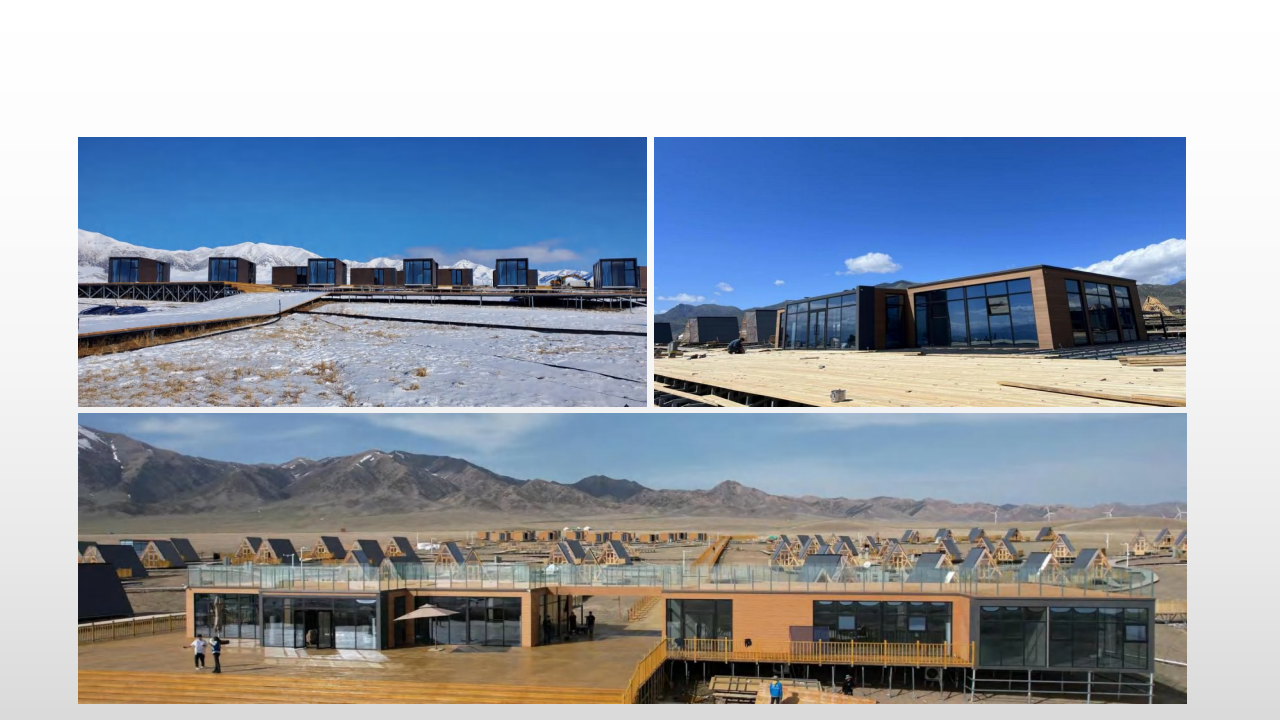
Glamping / rural. Town land-use and septic are the gating items.
How PSL Modular fits
We build to Maine's adopted ICC codes, run 1-2 unit homes through the Manufactured Housing Board for the seal, and coordinate the inspection path for larger projects. Heavy snow and cold-climate envelopes (and coastal wind) are engineered to your site; UL-listed electrical, ASTM E84 Class A cladding, and helical-pile foundations included. Turnkey from quote to handover in roughly four months.
Next step: tell us your town and site, and we'll apply the by-right ADU rule and spec the snow/envelope, and send a real quote.
Sources
- Maine Department of Professional and Financial Regulation — Manufactured Housing Board (modular certification); Code of Maine Rules 385-110 (maine.gov/pfr)
- Maine Legislature — LD 2003 (2022; phased in through 2024)
This guide is general information, current as of 2026, not legal advice. Confirm specifics with your municipality and the Maine Manufactured Housing Board.
[ MAINE STATE COVERAGE ]
Building in Maine? See your one-page coverage summary.
The verdict, building-approval path, ADU law, and structural spec for Maine — at a glance — with a link to a parcel-specific quote.
Frequently Asked Questions
Are ADUs by-right in Maine?
Yes, broadly. LD 2003 (signed 2022, fully phased in by 2024) requires every municipality to allow at least one ADU on a lot with an existing single-family home, by right in most residential areas. Crucially, a town must allow the ADU even if the owner doesn't live on the lot (no owner-occupancy requirement). Towns set the maximum size but must allow at least 190 sq ft, and local rules can be more permissive but not more restrictive than the state standard.
Who certifies a modular building in Maine?
For one- and two-unit modular homes, the Maine Manufactured Housing Board (within the Department of Professional and Financial Regulation) governs the program — it licenses companies, requires factory inspection, and the unit carries an approved label/seal evidencing certification to the Board's adopted ICC codes. Your local jurisdiction permits the site work — foundation, utilities, zoning.
What about a larger multifamily or commercial modular project?
Maine's residential modular program covers one- and two-unit homes and townhouses. For 3+ unit residential and commercial buildings, the state currently lacks a separate modular code and inspection system — a known gray area — so those projects route through local building departments and standard processes. Plan the inspection path early on larger jobs.
What's the biggest building challenge in Maine?
Snow and cold. Maine winters demand a high-performance thermal envelope and roofs designed for heavy ground-snow loads, especially inland and in the mountains. The coast adds wind exposure. Seismic risk is low. PSL Modular sets the snow load and envelope from your site coordinates.
Is modular good for coastal and lakes cabins?
Yes — Maine's coast and lakes are strong cabin and seasonal-rental markets, and modular places a finished, winter-ready unit quickly through a short build season. The Board seal clears the building; your work is the town land-use, septic, shoreland zoning, and any local STR ordinance.