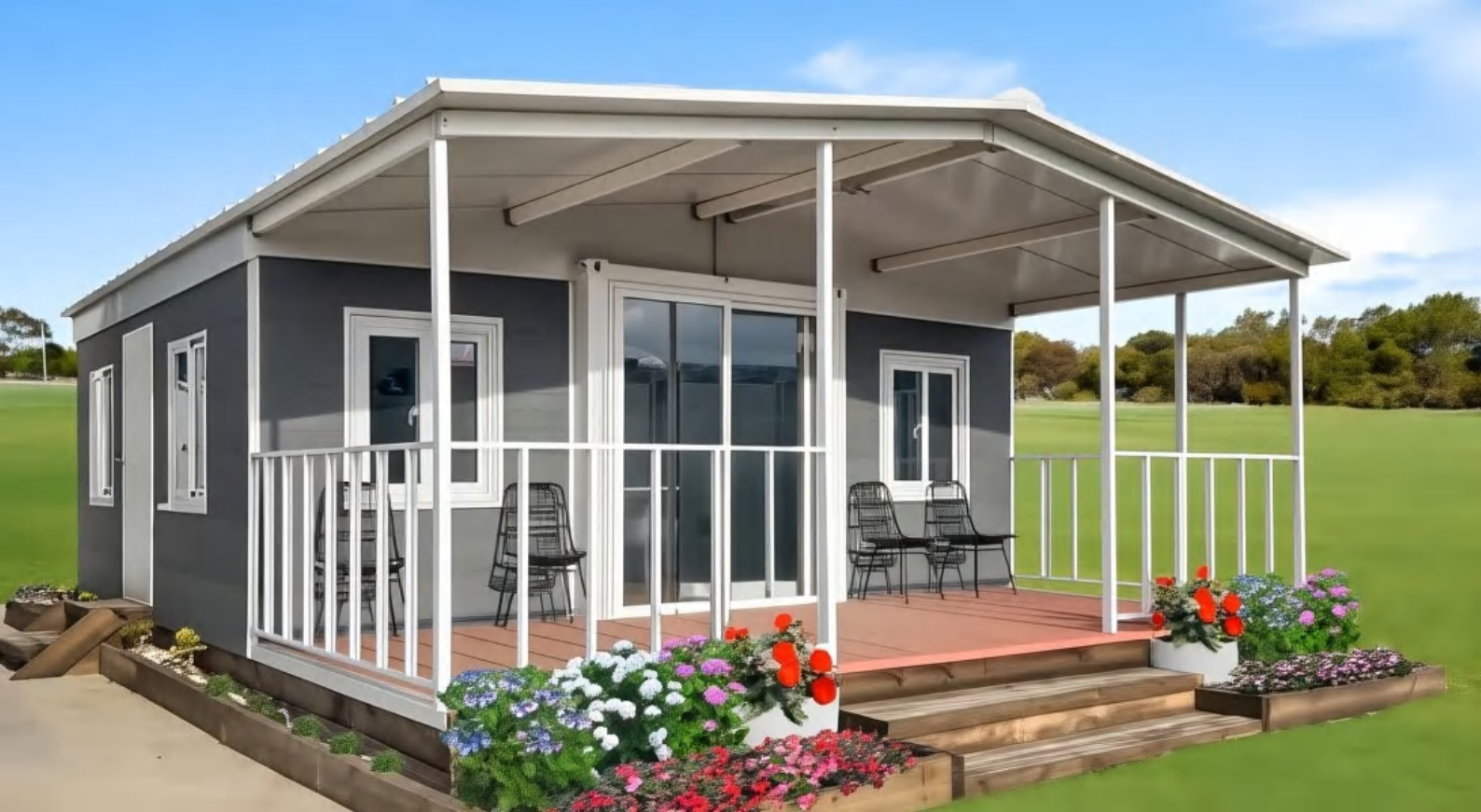
Utah makes the internal ADU a by-right use in most residential zones, certifies the modular unit with a state decal, and sits on one of the most active seismic faults in the West. Here's the real 2026 path for the Wasatch Front, Park City and southern Utah.
Utah searches come mainly from the Wasatch Front (Salt Lake, Provo, Ogden) where homeowners add basement ADUs, resort areas (Park City) facing a workforce-housing crunch, and fast-growing southern Utah (St. George, near Zion and Moab). Utah is ADU-friendly for internal units and certifies the building with a state decal — the rest is snow and seismic.
The short version: internal ADUs are by-right statewide; a DFCM decal means no local structural re-review; and the Wasatch brings both extreme snow and real earthquake risk.
The ADU rule: HB 82 (Utah Code 10-9a-530)
- Internal ADUs by right in most residential zones — no hearing or conditional-use permit for a qualifying basement/within-footprint unit.
- Cities can require one parking space, garage-parking replacement, and may exclude internal ADUs from up to ~25% of single-family land.
- Internal ADUs are 30+ day rentals (no nightly STR).
- Detached ADUs remain a local question.
The building: DFCM modular decal
Utah regulates modular construction through DFCM under Title 15A:
- An approved third-party inspection agency attaches a certification decal to each module.
- The decal indicates the unit meets or exceeds the applicable building code.
- Your local jurisdiction permits the site work — foundation, utilities, zoning — without re-reviewing the structure.
The site: Wasatch snow + Wasatch Fault seismic
- Snow. Park City and the Cottonwood canyons carry extreme ground-snow loads — the dominant design driver in the high country.
- Seismic. The Wasatch Fault runs along the populated Front; seismic design is important from Ogden to Provo.
- Southern Utah (St. George). Hot and dry, lower snow — a heat-and-arid envelope.
The spec is set from your site at order time.
Realistic timeline
- Factory (DFCM track): third-party inspection + decal, in parallel with site work.
- Local: a site/building permit for foundation and utilities; an internal ADU is by-right.
- Set + finish: foundation (helical piles on slopes), set, tie-ins, final inspection.
With the structure built off-site, a turnkey Utah project can reach handover in roughly four months.
Find your situation
Wasatch Front basement/internal ADU. By-right — the cleanest path. Mind the parking rule, then the decal'd unit moves fast.
Park City resort / workforce. Snow and seismic drive the unit; winter-proof factory build is the advantage.
St. George / southern Utah growth + glamping. Heat envelope; strong growth and Zion/Moab tourism markets (STR governed locally).
Hospitality / workforce. Multi-unit production runs in parallel with site work, all to Utah-adopted codes.
How PSL Modular fits
We build to Utah's adopted codes, run the unit through an approved third-party agency for the DFCM decal, and hand your jurisdiction a unit it accepts without structural re-review. Extreme Wasatch snow and Wasatch Fault seismic are engineered to your site; UL-listed electrical, ASTM E84 Class A cladding, and helical-pile foundations included. Turnkey from quote to handover in roughly four months.
Next step: tell us your city and whether you want an internal or detached unit, and we'll map the rules and snow/seismic spec, and send a real quote.
Sources
- Utah DFCM — State Modular Building Program; Utah Code Title 15A (Factory Built Housing and Modular Units Administration Act)
- Utah Code 10-9a-530; HB 82 (2021) internal ADU law
- Utah Geological Survey — Wasatch Fault seismic hazard
This guide is general information, current as of 2026, not legal advice. Confirm specifics with your jurisdiction and DFCM.
[ UTAH STATE COVERAGE ]
Building in Utah? See your one-page coverage summary.
The verdict, building-approval path, ADU law, and structural spec for Utah — at a glance — with a link to a parcel-specific quote.
Frequently Asked Questions
Can I build an ADU by right in Utah?
An internal one, yes. HB 82 (codified at Utah Code 10-9a-530) makes internal accessory dwelling units a permitted use by right in most residential zones, meaning a city can't require a discretionary hearing or conditional-use permit for a qualifying basement or within-footprint unit. Cities retain some control — one extra parking space, garage-parking replacement, and a cap excluding internal ADUs from up to roughly a quarter of single-family land. Detached ADUs are still governed locally.
Who certifies a modular building in Utah?
Utah's Division of Facilities Construction and Management (DFCM) runs the State Modular Building Program under Title 15A (the Factory Built Housing and Modular Units Administration Act). An approved third-party inspection agency attaches a certification decal to each module indicating it meets or exceeds the applicable building code. With the decal, your local jurisdiction permits the site work — foundation, utilities, zoning — without re-reviewing the structure.
Can I short-term rent my Utah internal ADU?
Not under the by-right rule. Internal ADUs under HB 82 are defined as rentals of 30 days or more, which excludes nightly/short-term rentals. If you want to operate an STR, that's a separate, locally-governed question — common in resort areas like Park City and Moab, but with their own licensing. Check the local STR ordinance.
What site factors matter most in Utah?
Snow and seismic. The Wasatch — Park City and the Cottonwood canyons especially — carries extreme ground-snow loads. And the Wasatch Fault runs along the populated Wasatch Front (Salt Lake, Provo, Ogden), one of the more significant seismic risks in the interior West, so seismic design is important. Southern Utah (St. George) is hotter and drier with lower snow. PSL Modular sets the spec from your site.
Is modular good for Park City / resort workforce housing?
Yes. Resort areas face acute workforce-housing shortages and short build seasons; modular units are built indoors and set quickly, and multi-unit orders run in parallel with site prep. Engineer for the heavy snow and seismic of the high Wasatch.