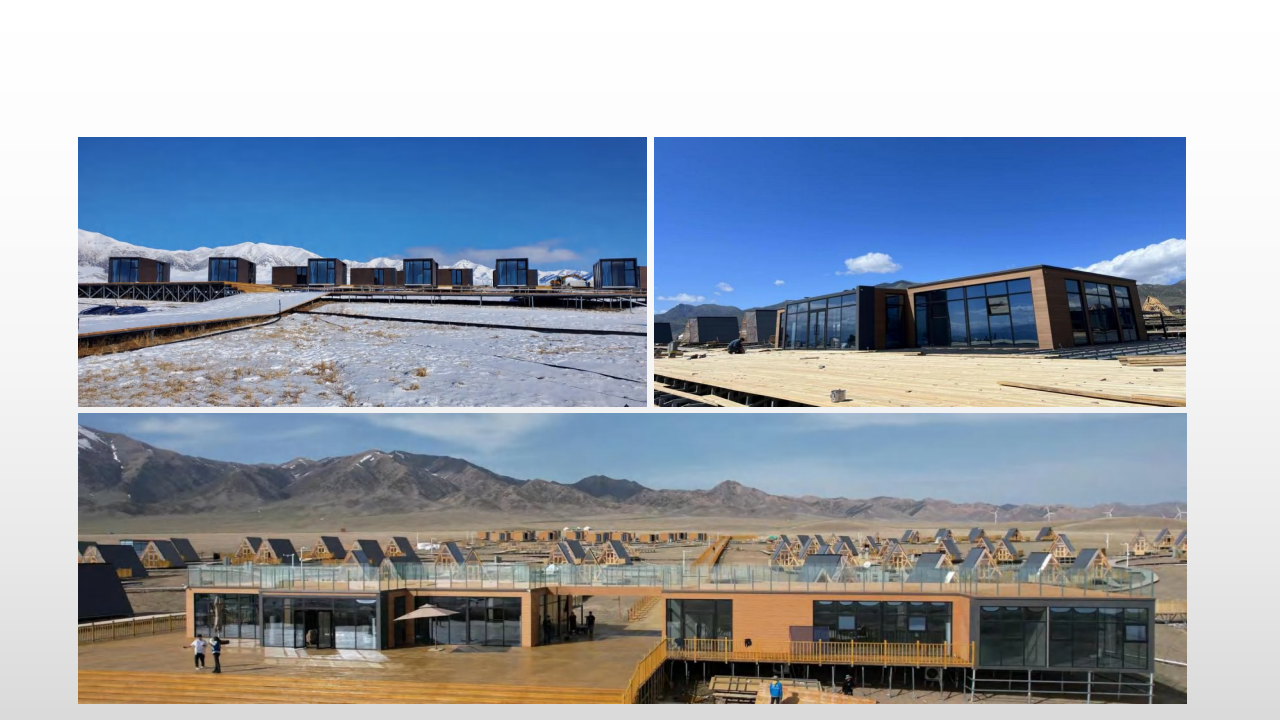
Much of West Virginia has little or no zoning, which can make adding a unit easier — but you still build to the state code, and the mountains demand serious snow engineering. Here's the real 2026 path for Morgantown, the mountains and rural WV.
West Virginia searches come from rural cabin and workforce projects and from Morgantown (WVU) and the other zoned towns. West Virginia is different from most states in one helpful way: much of it has little or no zoning, so adding a unit can be simpler — as long as you respect the state building code and the mountains.
The short version: the unit is built to the WV State Building Code and factory-inspected; zoning is light outside the cities; and snow is the engineering story.
The building: WV State Building Code
- The State Fire Commission adopts the State Building Code (WV uses the 2018 I-codes and 2020 NEC, effective Aug 1, 2022).
- Modular units are built and factory-inspected to that code.
- Your local authority handles the on-site permit (foundation, utilities) and zoning where it exists; elsewhere the State Fire Marshal is the contact.
ADUs / second units: mostly local, often light
- Rural WV — frequently little or no zoning, which can simplify adding a unit (focus on code, septic, foundation).
- Morgantown and other zoned towns — follow local ADU and rental-registration rules; minimum ADU sizes referenced around 150 sq ft.
- No statewide ADU mandate — confirm whether your parcel is zoned.
The site: mountain snow + steep lots
- Snow. Heavy at elevation — the dominant design driver.
- Cold. High-performance thermal envelope.
- Access/foundation. Steep lots favor helical piles; seismic is low.
The spec is set from your site at order time.
Realistic timeline
- Factory: build + factory inspection to the WV code, in parallel with site work.
- Local: an on-site permit for foundation and utilities, plus zoning where applicable.
- Set + finish: foundation (helical piles on slopes), set, tie-ins, final inspection.
With the structure built off-site, a turnkey West Virginia project can reach handover in roughly four months.
Find your situation
Rural cabin / second unit. Light zoning often makes this simpler — confirm code/septic and engineer for snow.
Morgantown ADU. Follow city ADU and rental-registration rules.
Energy-sector / WVU workforce. Modular delivers multi-unit housing fast for remote and short-season sites.
Glamping / tourism. County land-use and septic are the gating items.
How PSL Modular fits
We build to the West Virginia State Building Code, factory-inspect the unit, and hand your local authority (or the State Fire Marshal) a unit ready for site approval. Heavy mountain snow, cold envelopes, and steep-lot foundations are engineered to your site; UL-listed electrical, ASTM E84 Class A cladding, and helical-pile foundations included. Turnkey from quote to handover in roughly four months.
Next step: tell us your county/town and site, and we'll confirm whether it's zoned, spec the snow/foundation, and send a real quote.
Sources
- West Virginia State Fire Commission / Office of the State Fire Marshal — State Building Code (firemarshal.wv.gov)
- WV Code Chapter 15A (Fire Commission / building code authority)
- City of Morgantown — zoning and ADU/rental registration
This guide is general information, current as of 2026, not legal advice. Confirm specifics with your jurisdiction and the WV State Fire Marshal's Office.
[ WEST VIRGINIA STATE COVERAGE ]
Building in West Virginia? See your one-page coverage summary.
The verdict, building-approval path, ADU law, and structural spec for West Virginia — at a glance — with a link to a parcel-specific quote.
Frequently Asked Questions
How are modular buildings regulated in West Virginia?
Through the West Virginia State Fire Commission, which adopts and maintains the State Building Code (WV adopted the 2018 I-codes and 2020 NEC effective August 1, 2022). Modular units are built to that code and factory-inspected before delivery; your local authority handles the on-site permit (foundation, utilities) and, where zoning exists, land use. In areas without local building enforcement, the State Fire Marshal's office is the point of contact.
Is it easier to add a unit in West Virginia because of light zoning?
Often, yes. Large parts of rural West Virginia have little or no zoning, so adding an accessory unit can be more straightforward than in heavily-zoned states — you focus on the building code, septic/water, and the foundation rather than a zoning approval. But where a municipality has zoning (like Morgantown), you must follow its ADU standards and rental-registration requirements. Always confirm whether your parcel is in a zoned jurisdiction.
Does West Virginia have a statewide ADU law?
No. ADUs are governed locally, and because zoning coverage is uneven, the experience varies widely. Where rules exist, the minimum ADU size referenced is around 150 sq ft, with local size, setback, and parking standards. Confirm your specific city or county.
What's the biggest building challenge in West Virginia?
Mountain snow and cold. The higher elevations carry heavy ground-snow loads that drive roof and structural design, and a high-performance thermal envelope matters for the winters. Steep, hard-to-access lots are common, so foundation design (often helical piles) matters too. Seismic risk is low. PSL Modular sets the snow load and foundation from your site.
Is modular good for WV cabins and workforce housing?
Yes. Light zoning plus strong cabin and energy-sector workforce demand make modular attractive — finished units arrive and set quickly, even on remote mountain sites. The building is code-inspected at the factory; your work is the site (access, foundation, septic) and, where applicable, local zoning.