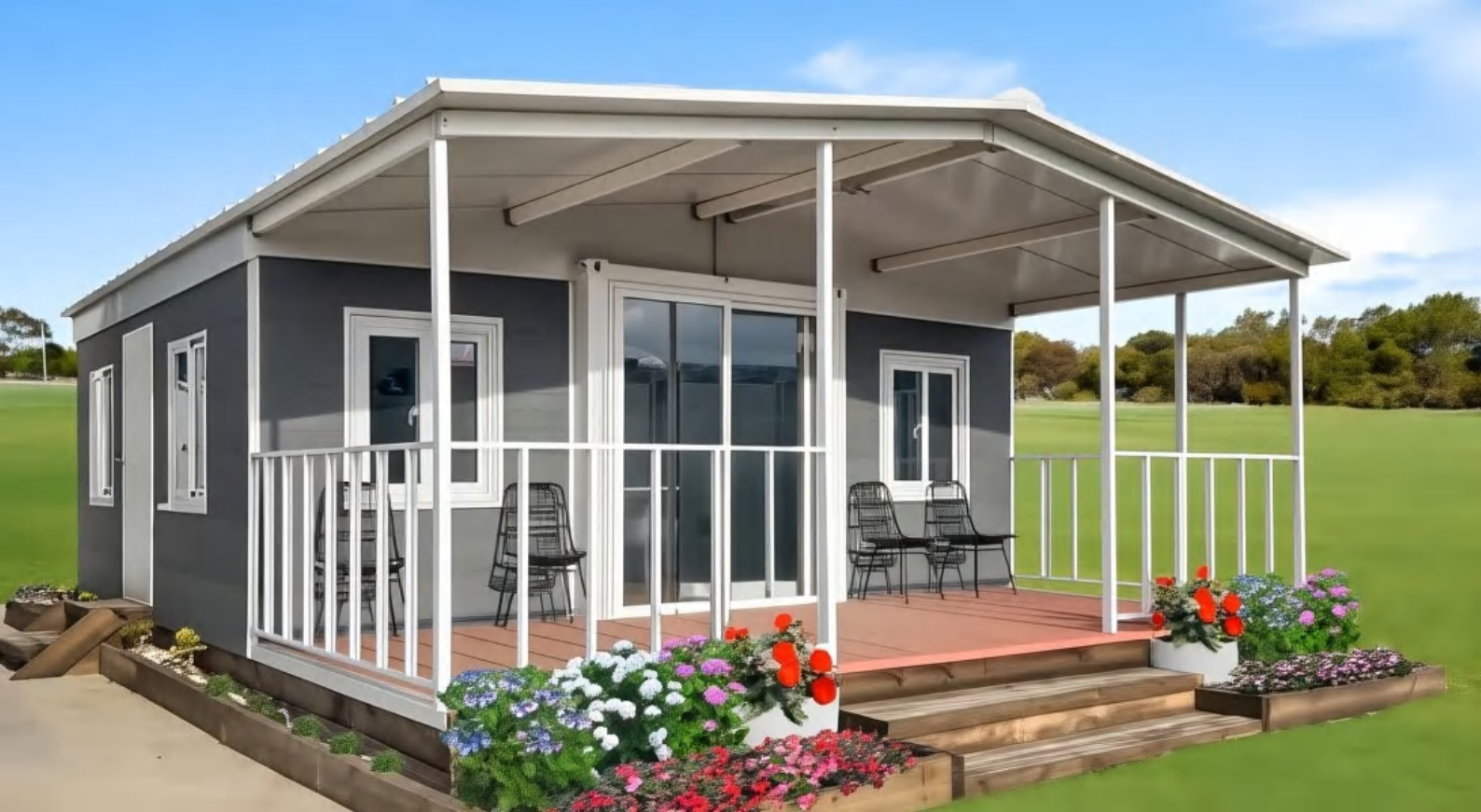
Modular permit Hawaii cost: $500-$2,000 fees plus $1,500 plan review. Oahu 8-12 weeks, Maui 6-10 weeks. Foundation plan by Hawaii-licensed engineer required.
Are costly permit delays and hidden fees stopping your modular home project before it starts? The total cost for a modular permit in Hawaii typically runs from $500 to $2,000 in fees. The real expense comes from plan review charges and waiting time that can stretch your budget by thousands.
How Much Does a Modular Permit in Hawaii Cost?
A modular permit in Hawaii costs between $500 and $2,000 in base fees, with plan review charges adding up to $1,500. Total permit costs typically land between $800 and $3,500 for a single-family modular home, depending on the county and project complexity.
This range represents updated figures for Q3 2026. The base permit fee is set by each county's building department. Hawaii County charges a fee that is 20% of the permit fee, with a minimum of $50, according to the County Auditor's office. Oahu's Department of Planning and Permitting (DPP) charges a flat fee plus a review charge.
Additional costs include plan review fees, which can reach $1,500 for complex designs. Our team at PSL Modular includes these costs in our turnkey delivery (NA) solutions. You know the total upfront.
How Long Does It Take to Get a Modular Permit in Hawaii?
A modular permit in Hawaii takes 4 to 8 weeks for standard projects and up to 12 weeks for complex ones. The timeline depends on the county, completeness of your application, and whether you need a zoning variance.
Maui County typically takes 6 to 10 weeks. Hawaii County aims for 28 calendar days for buildings valued between $50,000 and $999,999, as noted in Grassroot Institute of Hawaii research. Oahu's DPP can take 8 to 12 weeks for a full review.
Delays often come from incomplete documents. A 2022-2023 study by the Hawaii Department of Business, Economic Development & Tourism found that permit processing delays cost projects in Honolulu significant money each day. Getting your application right the first time saves weeks. As of 2026, many counties are projected to streamline digital submissions.
What Are the Requirements for a Modular Home in Hawaii?
Hawaii modular home needs include a foundation plan, utility connection approvals, and compliance with the State Building Code. Each county also has its own zoning rules and inspection schedule.
The required documents include:
- Foundation plan sealed by a Hawaii-licensed engineer — typical homes require a plan covering at least 200-300 square feet of footprint.
- Utility connection approvals from the local water and power providers
- Site plan showing setbacks and flood zone status
- Product approval from the county building department for the modular unit
Affordable Portable Housing has full approval with Oahu and Kauai building departments for specific modular plans. Our PSL Modular team handles these documents through our end-to-end service, reducing the risk of rejection.
County-by-County Comparison: Oahu, Maui, Hawaii, Kauai
Each county in Hawaii has its own permit process, fees, and timelines. Here's how they compare as of 2026.
| County | Average Permit Fee | Typical Timeline | Key Contact |
|---|---|---|---|
| Oahu (Honolulu) | $1,000 to $1,500 | 8 to 12 weeks | Oahu Building Department |
| Maui | $500 to $1,000 | 6 to 10 weeks | Maui County Planning |
| Hawaii (Big Island) | $600 to $1,200 | 4 to 8 weeks | Hawaii County Code Office |
| Kauai | $500 to $800 | 4 to 6 weeks | Kauai Building Division |
Maui County’s Updated Code
Maui County is currently updating its code to make it easier for manufactured and modular homes. The Grassroot Institute of Hawaii submitted testimony in 2024 to modify Maui's code to promote these housing types. This change is anticipated to reduce permitting friction for modular homes by 10-20% by 2026.
On the other hand, Oahu has the most complex process. The DAGS Building Code Council oversees state-level standards, but each county enforces them differently. This means a modular home approved on the Big Island might need additional review on Oahu.
Common Permit Pitfalls and How to Avoid Them
Modular home permit delays in Hawaii often stem from three main issues: incomplete applications, zoning variances, and foundation design conflicts. Avoiding these saves you 4 to 8 weeks.
Zoning variances are a major cause of delay. If your lot is in a historic district or has unusual setbacks, you may need a variance hearing. This adds 4 weeks or more to your timeline. Check your county's zoning map before you buy land.
Foundation Design and Soil Conditions
Foundation design is another common pitfall. Hawaii's unique soil conditions and seismic needs mean your foundation plan must meet local building codes. Our team uses BIM and AI-based BOM systems to generate accurate foundation specs that pass review the first time.
For a cross-state comparison, read our guide on Modular Permit Cost Rhode Island: Fees, Timeline & Savings to see how Hawaii's process differs from mainland permitting.
Limitations to Consider Before Choosing a Modular Permit in Hawaii
This approach is not ideal for projects in historic districts or areas with strict design review boards. The main drawback is that modular homes have limited customization compared to site-built homes. Consider instead a custom site-built home if you need unique architectural features.
Another limitation is that not all counties in Hawaii have pre-approved modular plans. While Oahu and Kauai have approved plans from suppliers like Affordable Portable Housing, Maui and Hawaii County may require a full plan review for each project. This adds time and cost.
Compared to site-built construction, modular homes depend on module transport logistics. Shipping modules to Hawaii from the mainland adds cost and coordination complexity. SeaTac Marine notes that transporting modular units to Hawaii requires careful planning for ocean freight and crane placement.
When Is a Modular Permit Not the Right Choice?
A modular permit may not be the best choice for projects with tight site access or unusual lot shapes. Module transport requires a clear path for delivery trucks and a crane. If your lot is on a narrow road or has steep slopes, a site-built home might be more practical.
Another scenario where modular isn't right is when you need a very small home under 200 square feet. Some counties in Hawaii, like Hawaii County and Maui County, allow tiny houses as permanent structures starting at 120 to 220 square feet. However, these may fall under different rules than standard modular homes.
On the other hand, modular construction is more suitable for remote lots where on-site labor is scarce. The trade-off between flexibility and speed depends on your project's location and budget.
Modular vs Site-Built Hawaii: Which Is Better for Your Project?
Modular vs site-built hawaii comparisons often come down to cost and speed. Modular homes typically cost $150 to $300 per square foot in Hawaii, including shipping and installation. Site-built homes can cost $200 to $400 per square foot, depending on labor availability and material costs.
Modular construction is projected to grow in Hawaii as the state faces a housing shortage. The global modular construction market reached $90.3 billion in 2024 and is forecast to hit $155.2 billion by 2033, according to Mesocore's industry analysis. Hawaii is expected to see a growing share of this market as counties streamline their permitting processes.
On the other hand, modular homes require a longer lead time for manufacturing and shipping. Site-built homes can start construction sooner if labor is available. The choice depends on your timeline and whether you want a turnkey solution.
Ready to Start Your Hawaii Modular Home Project?
Let PSL Modular handle the permit process from start to finish. Our end-to-end service includes document preparation, county submissions, and coordination with local inspectors.
Request a Free QuoteHow to Permit a Modular Home in Hawaii: Step-by-Step
How to permit modular home hawaii requires a clear sequence of steps. Follow this process to avoid delays and keep your project on track.
How to Permit a Modular Home in Hawaii: 5-Step Summary
- Step 1: Choose a modular model and supplier. Select a unit that has pre-approval in your county. PSL Modular's M3, M5, and M7 Capsule Houses are designed for efficient shipping, with two M3 units fitting in a 40HQ container.
- Step 2: Prepare your site plan and foundation design. Work with a Hawaii-licensed engineer for the foundation plan. Include flood zone analysis and soil testing.
- Step 3: Submit your permit application. Include the foundation plan, site plan, utility approvals, and product approval. Pay the base fee plus plan review fee.
- Step 4: Pass plan review. The county reviews your application for code compliance. Address any comments quickly to avoid delays.
- Step 5: Schedule inspections. After the permit is issued, schedule foundation inspection, module delivery inspection, and final occupancy inspection.
Our team at PSL Modular manages all five steps for you. We use BIM-based documentation to ensure every drawing meets county needs. This reduces the risk of rejection and speeds up the process.
Get Started with Your Modular Permit in Hawaii
Ready to move forward with your modular permit hawaii cost planning? The first step is to choose a modular unit that fits your lot and budget. PSL Modular's M3, M5, M7 Capsule Houses are designed for efficient shipping and quick assembly, with dimensions optimized for container transport.
Our turnkey delivery (NA) solutions include permit assistance, foundation coordination, and on-site assembly. We also offer backyard adu solutions for homeowners looking to add rental income.
Contact us today to request a quote and get started on your Hawaii modular home project. Our team will guide you through the permit process and help you avoid costly delays.
Frequently Asked Questions
How does the modular permit cost compare between Oahu and Maui?
Oahu's permit fee ranges from $1,000 to $1,500 with an 8-12 week timeline, while Maui charges $500 to $1,000 with a 6-10 week timeline. Oahu's Department of Planning and Permitting has a more complex review process, contributing to higher costs and longer waits.
What is the breakeven point for modular vs site-built homes in Hawaii?
Modular homes typically cost $150-$300 per square foot in Hawaii, while site-built homes range $200-$400 per square foot. The breakeven depends on your specific design and location. For standard designs, modular is often cost-effective above 500 square feet due to lower labor costs.
What should I specify when ordering a modular home for Hawaii?
Specify a foundation plan sealed by a Hawaii-licensed engineer, utility connection approvals, and compliance with the State Building Code. Choose a model with pre-approval in your county, such as those approved by Oahu and Kauai building departments, to reduce permit time.
How do foundation requirements affect permit timelines in Hawaii?
Foundation design is a common pitfall due to Hawaii's unique soil conditions and seismic needs. A foundation plan sealed by a Hawaii-licensed engineer is required. Incomplete or non-compliant foundation plans can add 4-8 weeks to the permit timeline.